Short answer: you can start a real food forest in one weekend. On Friday, find the sunniest, best-drained spot and mark a bed. On Saturday, build the soil with cardboard, compost and wood-chip mulch. On Sunday, plant three fruits with fast support plants around them and mulch deeply. Start small, then add a little every season.
Friday evening: find your spot
- Sun. Fruit wants at least 6 hours of direct sun. Watch where the shadows fall in the afternoon. The south and west sides of the house are usually best.
- Water. Notice where puddles sit after rain. Most fruit trees hate wet feet, so pick higher ground or plan to plant on a mound.
- Room to grow. Picture each tree full-grown. Keep big trees off the house, the pool cage, septic drainfields and overhead lines.
- Call before you dig. In Florida, contact Sunshine 811 a few days ahead so buried utilities get marked.
- Close to the door. A bed you walk past every day gets watered, picked and loved.
Mark a bed about 10 by 20 feet with a hose or string. That's plenty for a first food forest.
Saturday: build the soil
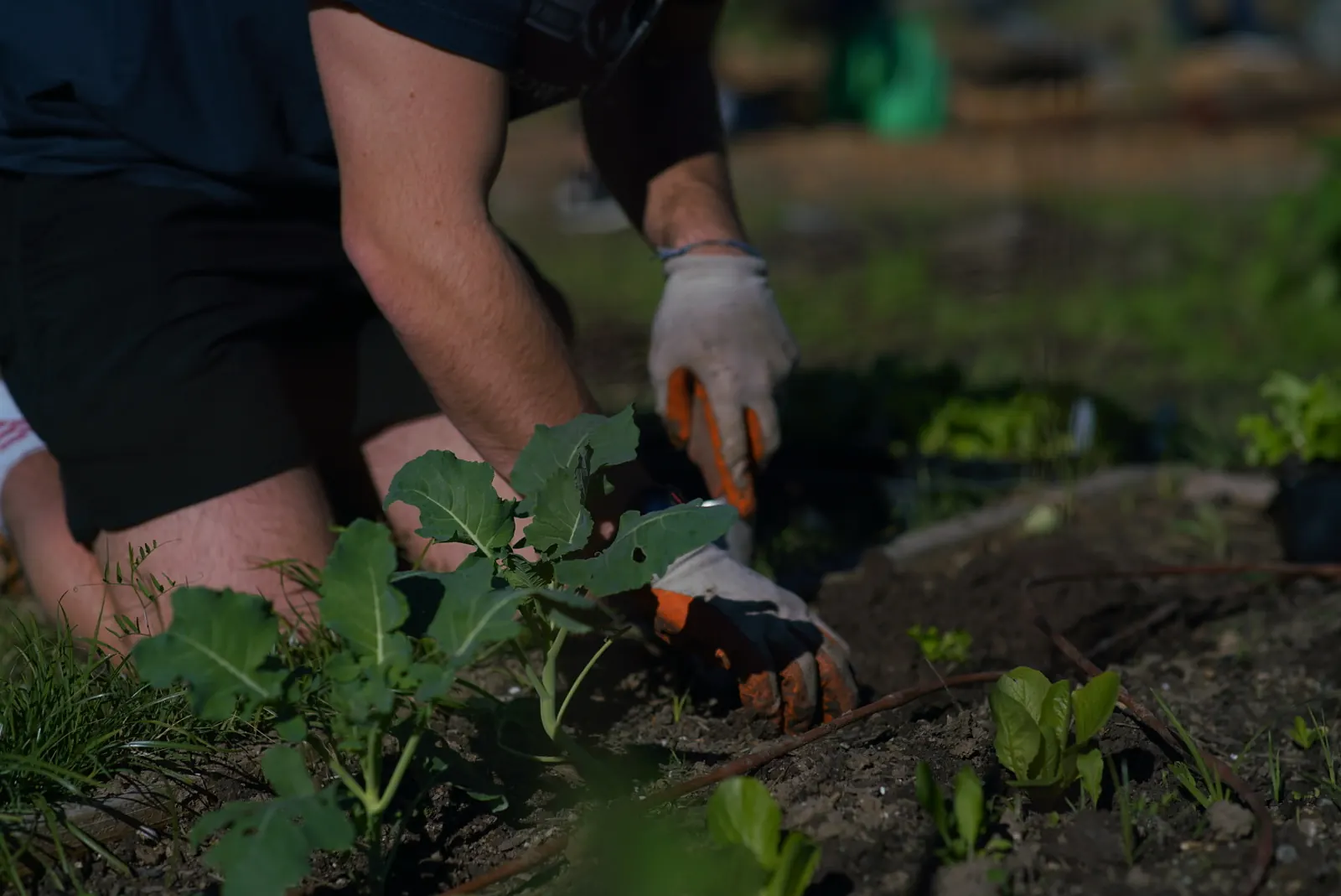
Florida sand drains fast and holds little food, so build soil on top instead of fighting it:
- Smother the grass. Mow it short, then lay plain brown cardboard (tape and labels removed), overlapping the edges. Soak it.
- Add compost. Spread a few inches of good compost over the cardboard, and more where each tree will go.
- Mulch deep. Top it all with 4 to 6 inches of arborist wood chips. Many tree services will drop off a load free.
The cardboard rots, the worms move in, and over a few seasons the sand underneath darkens. We documented that change in How to Turn Florida Sand Into Living Soil.
Sunday: plant your first three, plus helpers
Cut a hole through the cardboard for each plant, set it at the same depth it sat in the pot, backfill with compost, and pull the mulch back a few inches from the trunk. Water deeply.
Start with fruits that pay you back fast. Three of our favorite starters:
- Papaya. Often fruits within the first year.
- Mulberry. Tough, fast, and often fruiting in the first spring.
- Barbados cherry. A compact shrub that often fruits in year one and keeps going through the warm months.
Around them, tuck in support plants like pigeon pea, lemongrass and sweet potato. They shade the soil, feed it, and give you cuttings for chop-and-drop. See support plants that fruit while you wait.
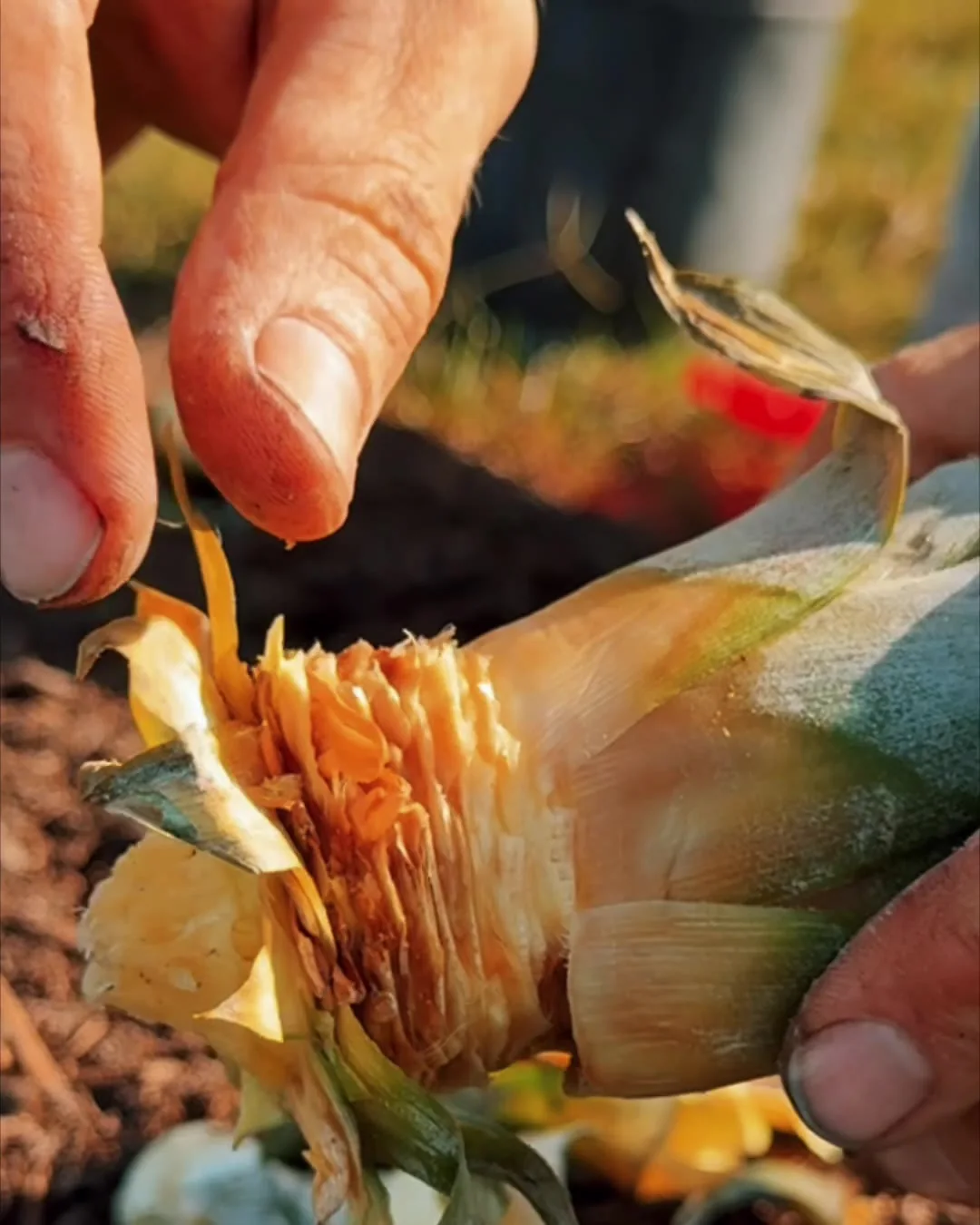
Bonus free plant: twist the top off a store-bought pineapple, peel off the lower leaves, and plant it in the bed. It roots easily and fruits in about two years.
Mistakes we made, so you don't have to
- Planting trees too close to the house, or in a walkway where they crowd the path.
- Putting sun-lovers in shade, or shade-lovers in full sun.
- Planting flat in low spots instead of on a mound, so roots got waterlogged after rain.
- Planting straight into sand without compost or soil building.
- Underwatering in the first month, before roots were established.
After the weekend
- Water every day or two for the first few weeks, then taper off as roots spread.
- Top up the mulch as it breaks down.
- Add a bigger tree each season: mango, avocado, sugar apple. A larger tree in a bigger pot fruits sooner.
- North of Fort Myers, avoid planting cold-sensitive tropicals from mid-December through January.
Pick your first three with the guide
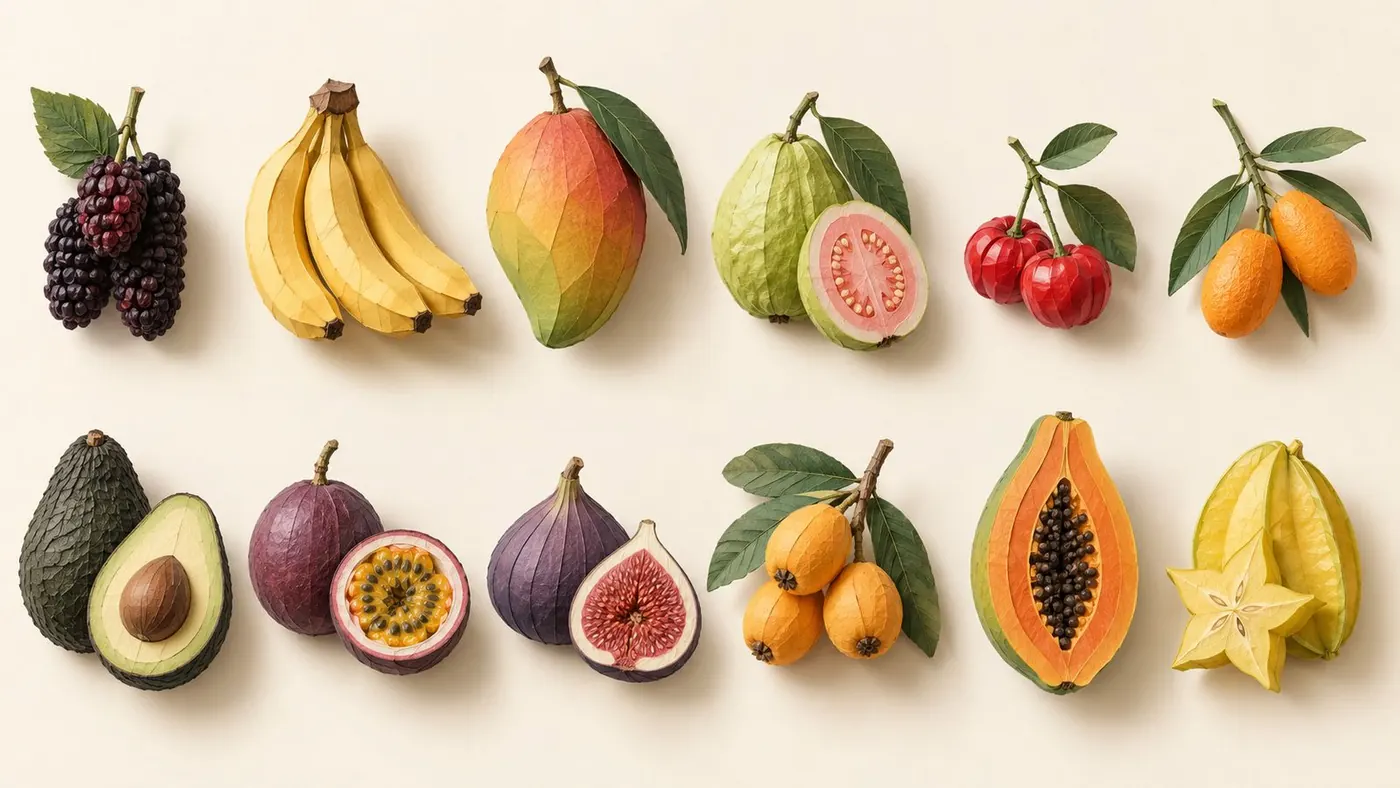
The hardest part of a weekend build is choosing what to plant. The Florida Family Fruit Guide rates 12 family foundation fruits (mango, banana, avocado, fig, mulberry, guava and more) for North, Central and South Florida, and walks you through picking your first three. It also profiles 13 rare adventure fruits you'll never find at the grocery store, for when you're ready to grow something your neighbors have never tasted.
Want the whole yard designed and planted for you instead? That's what we do. See how our design and installation works.
Common questions
Can you start a food forest in a weekend?
Yes. Pick a sunny, well-drained spot, smother the grass with cardboard, add compost and deep wood-chip mulch, then plant three fruits with support plants around them. Expand a little each season.
What should I plant first in a Florida food forest?
Fast producers like papaya, mulberry and Barbados cherry, plus support plants like pigeon pea and lemongrass. Add slower trees like mango and avocado as you go.
Do I need to remove grass to start a food forest?
No. Mow it short, cover it with overlapping plain cardboard, then compost and 4 to 6 inches of wood-chip mulch. The grass dies and the cardboard breaks down into the soil.
When is the best time to plant a food forest in Florida?
Spring after frost risk passes is ideal for tropicals. North of Fort Myers, avoid planting cold-sensitive fruit from mid-December through January.
Cold-tolerance and planting guidance in this article follows UF/IFAS Extension recommendations for Florida dooryard fruit.