Short answer: if you live between Tampa Bay and Naples, four trees earn a place in almost any yard: mango for summer, avocado for summer and fall, loquat for late winter and spring, and sugar apple for late summer. Together they spread your harvest across most of the year.
Mango
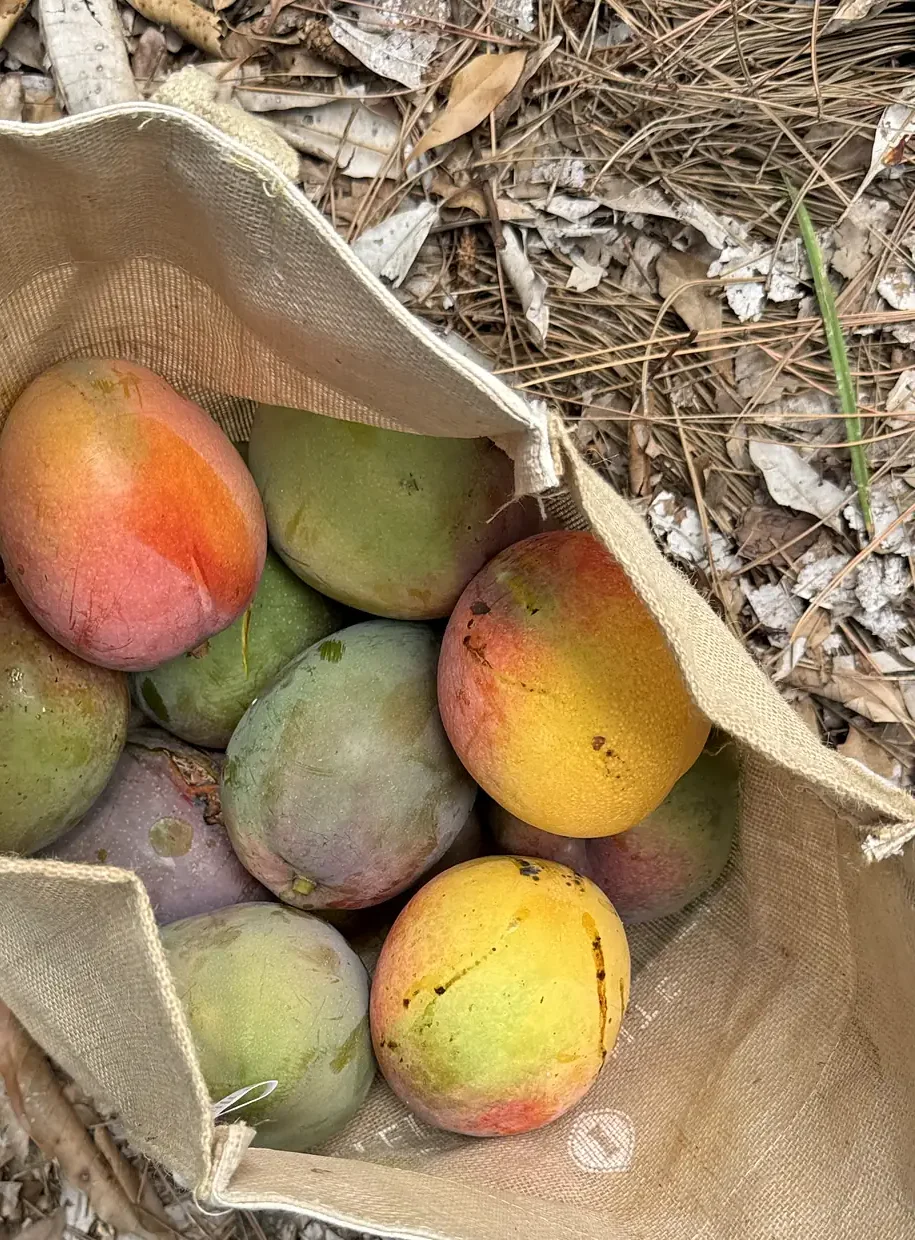
The crown jewel of a Florida food forest. Mangoes thrive in our heat and fruit mainly from late spring through summer. Choose varieties suited to Florida's humidity, and plant on the warmest, most protected side of your property. Young trees are cold-sensitive, so plant after the winter freeze window. Keep canopies pruned to a pickable height. That also helps them stand up to wind.
Avocado
Florida avocados are mostly West Indian and hybrid types, which grow larger fruit and ripen from summer into winter depending on variety. Planting two or more varieties with different seasons stretches the harvest. West Indian types are the most cold-sensitive. Hybrids with Guatemalan or Mexican parentage handle cold snaps better, a plus for inland and northern sites. Avocados hate wet feet, so plant on a mound or raised row where water stands after storms.
Loquat
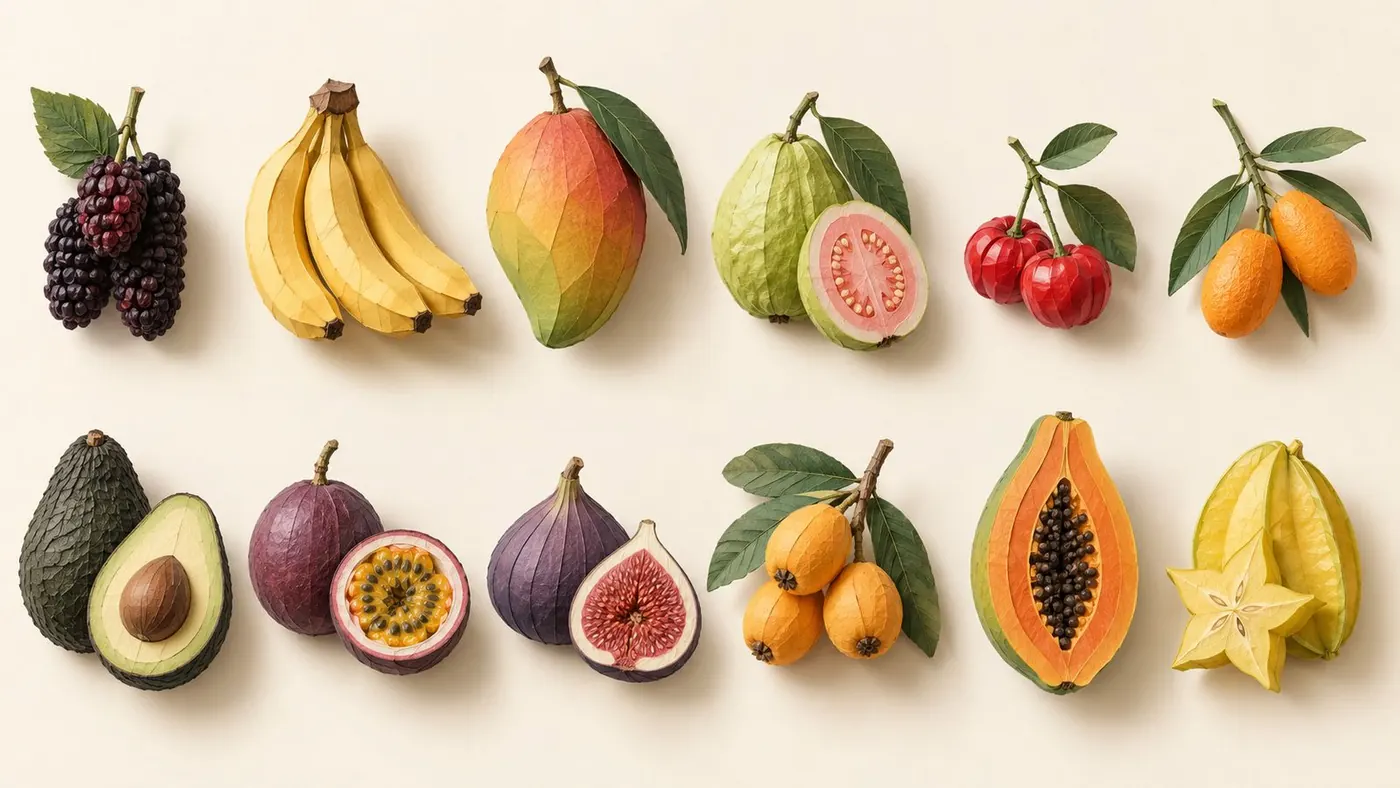
The easiest fruit tree on this list and one of the most underrated. Loquat is cold-hardy, evergreen and handsome as a landscape tree. It flowers in fall and ripens in late winter to spring, when little else is fruiting. The tree handles freezes well, but a hard freeze during flowering can cost you that year's fruit.
Sugar apple
A small tree with custard-sweet fruit, ideal for small yards. Sugar apple fruits from late summer into fall and often drops its leaves in cool weather. It prefers good drainage and is cold-sensitive, so give it a warm, sheltered spot.
Watch: Start your own food forest with this $29 guide · More on our YouTube channel
How soon will they fruit?
Mango and avocado generally take a few years from a small nursery tree. Grafted loquat and sugar apple trees are often quicker. The biggest lever is size: the bigger the pot and the tree at planting, the sooner it fruits. A larger tree costs more up front, but it buys you time. Pair them with a first-year producer such as fig, pomegranate, Barbados cherry or mulberry.
How to fit all four in one yard
In a layered design, mango and avocado form the canopy, with loquat and sugar apple as the understory. Bananas, herbs and natives fill the space beneath. Our guide to food forest layers shows how the pieces fit.
For 25 Florida fruits with regional fit, ratings and first-three-plant plans, get the Florida Family Fruit Guide. To have the trees chosen and planted for you, see our services.
Common questions
What is the best fruit tree to plant in Southwest Florida?
Mango, avocado, loquat and sugar apple are four of the best for Tampa Bay to Naples. Loquat is the easiest and most cold-hardy; mango is the most rewarding in summer.
Can avocado trees grow in Sarasota and Bradenton?
Yes. Choose Florida varieties, plant two with different seasons to stretch the harvest, and plant on a mound or raised row because avocados do not tolerate standing water.
Which Florida fruit trees fruit in winter?
Loquat ripens in late winter to spring, and some citrus and late avocado varieties carry into winter, which fills the gap after mango season.
Cold-tolerance and planting guidance in this article follows UF/IFAS Extension recommendations for Florida dooryard fruit.